Pad Thai Sauce Recipe Without Tamarind
Pad Thai, a quintessential Thai dish, combines the savory and sweet flavors that define Thai cuisine. While traditional recipes use tamarind paste to achieve the characteristic tang, you might find yourself without it in your pantry. Fortunately, there’s a way to enjoy this beloved dish with a twist. This guide will walk you through the ingredients and steps to create a delicious Pad Thai sauce without tamarind. We’ll explore how to make it without fish sauce for vegetarians and provide a comprehensive guide to the preparation process, with helpful tips, nutritional insights, and a video tutorial to enhance your cooking experience. By the end of this journey, you’ll be equipped to prepare a tantalizing Pad Thai that caters to diverse dietary preferences without sacrificing flavor.
Ingredients
Ingredients 1x2x3x
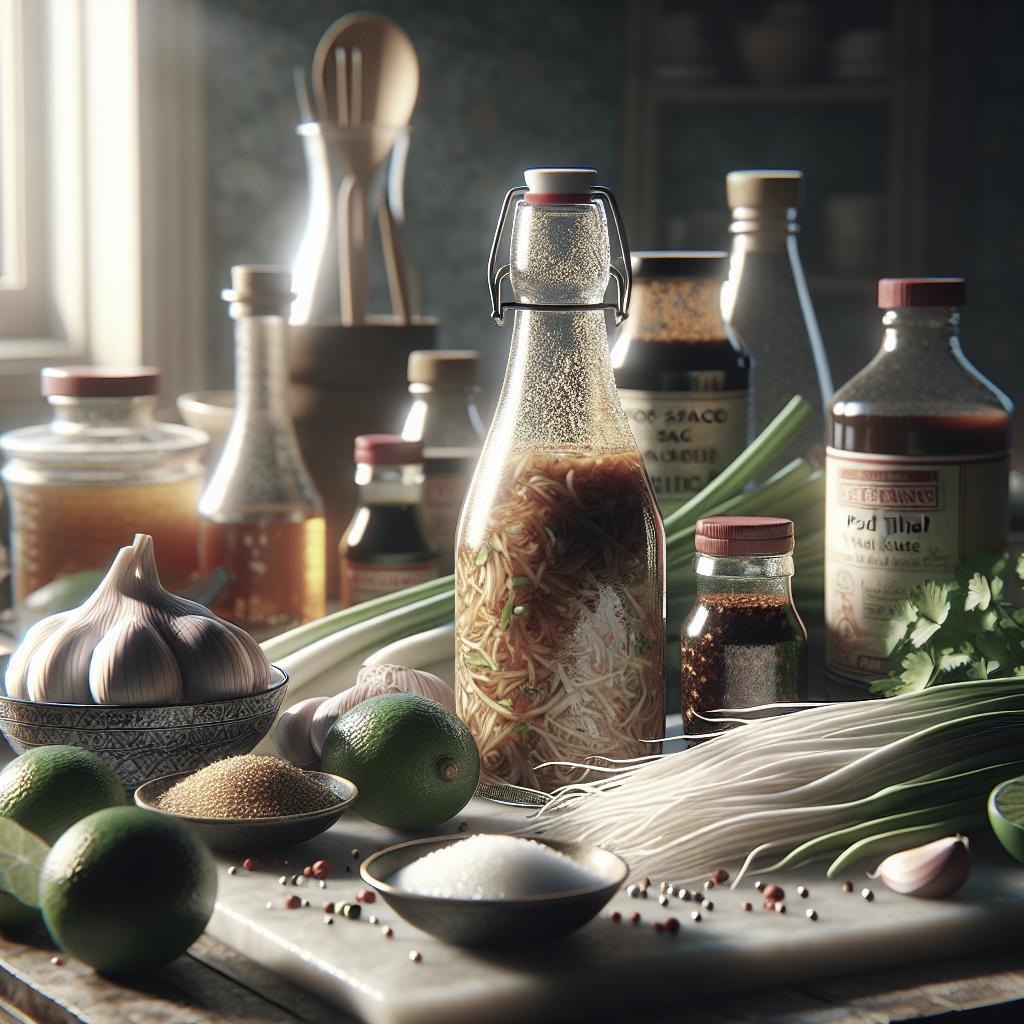
To craft a delightful Pad Thai sauce without tamarind, you’ll need a mix of readily available ingredients that capture the essence of the dish. Begin with soy sauce as your base, which offers a rich umami profile. Opt for light soy sauce for a milder taste, or use dark soy sauce if you prefer a stronger flavor. To add sweetness, incorporate brown sugar into the blend, balancing the savory notes of the sauce.
For acidity, replace tamarind with a combination of lime juice and rice vinegar. Lime juice provides a bright citrus flavor, while rice vinegar adds a subtle, tangy depth. Additionally, ground ginger can substitute for tamarind’s spiciness, giving the sauce a gentle kick. For chili heat, include red pepper flakes to taste.
Complete the sauce with a touch of sesame oil for a nutty aroma, enhancing the overall profile. These ingredients together create a complex yet harmonious sauce that complements the noodles and other components of Pad Thai perfectly.
Steps to Make It
Instructions
Begin by preparing your noodles according to package instructions. While they cook, mix soy sauce, honey, lime juice, rice vinegar, and sesame oil in a bowl. Whisk the ingredients until the sugar dissolves completely, and the mixture is well-blended.
Heat a pan over medium heat and add your choice of protein, such as shrimp or chicken, cooking it thoroughly. Pour the prepared sauce over the cooked protein, allowing it to simmer and reduce slightly, which intensifies the flavors. Add the noodles and toss to coat them evenly in the sauce.
Once the noodles are well-coated, add in the vegetables, such as bean sprouts and scallions, to the pan. Stir well and cook until the vegetables are tender-crisp. Your Pad Thai is now ready to be served, garnished with peanuts, cilantro, and lime wedges.
Video
Visual guides can be incredibly helpful when cooking a dish like Pad Thai. Watching a step-by-step video demonstration offers clarity and enhances your understanding of the process. Look for a concise video that covers the preparation and cooking steps in detail, highlighting key techniques, from mixing the sauce to achieving the right noodle texture.
Many online cooking platforms offer tutorials led by professional chefs, ensuring you grasp the nuances of the dish. As you watch, pause at key moments to follow along in real time, enhancing your learning experience and improving your culinary skills.
Tips
When making Pad Thai without tamarind, adjusting the balance of flavors is key. Taste the sauce before cooking, and feel free to tweak the ingredients to suit your taste preferences. If you prefer a sweeter sauce, add extra brown sugar. For more acidity, increase the lime juice, but do so gradually to avoid overpowering the dish.
Cooking the noodles to the right doneness is crucial. They should be tender without being mushy. When tossing them with the sauce, ensure they are well-separated and coated for even flavor distribution. Add vegetables last to maintain their crunch and freshness.
Nutrition
Understanding the nutritional value of your homemade Pad Thai can aid in mindful eating. The primary components of this dish––noodles, sauce, protein, and vegetables––offer a balanced nutritional profile. By using lean proteins and a variety of vegetables, you ensure a hearty, health-conscious meal.
Calories are derived mainly from the noodles and sauce, with additional nutrients and vitamins coming from the included vegetables. For a healthier option, consider using whole-grain or zucchini noodles and cutting down on sugar content in the sauce without compromising flavor.
How to Make Pad Thai Without Using Fish Sauce
For those who avoid animal products or seek alternative flavors, crafting Pad Thai without fish sauce is entirely possible. A simple switch is to use soy sauce or tamari in place of fish sauce, providing a similar depth of flavor. Tamari is particularly suitable for those adhering to gluten-free diets.
You may also experiment with miso paste as a substitute. Miso paste brings a rich umami flavor similar to fish sauce, contributing a satisfying taste to vegetarian Pad Thai. Blend it thoroughly with the other sauce components to ensure smooth integration.
Vegetarian Pad Thai Without Fish Sauce
Crafting a vegetarian Pad Thai without fish sauce calls for creativity and thoughtful ingredient selection. Begin by selecting high-quality tofu or tempeh as your protein source. Marinade and stir-fry the tofu with the sauce to infuse it with flavor.
Amp up the vegetable content for added nutrition by including colorful bell peppers, broccoli, and carrots. Opt for low-sodium soy sauce to control salt levels. Adjust the spiciness with red pepper flakes according to your preference and enjoy a vibrant vegetarian Pad Thai.
Lessons Learned
| Section | Key Insights |
|---|---|
| Ingredients | Use soy sauce and lime juice as key substitutes for tamarind. |
| Steps to Make It | Watch video tutorials and taste test for optimal sauce balance. |
| Tips | Adjust the sauce to taste and focus on noodle texture. |
| Nutrition | Choose whole-grain noodles for a balanced meal. |
| Pad Thai Without Fish Sauce | Use soy sauce or tamari as the main umami element. |
| Vegetarian Pad Thai | Tofu or tempeh make excellent protein sources. |