Potato Bake Recipe Without Cream: A Delicious Savoyard Twist
If you’re craving a comforting potato dish but want to skip the cream, this potato gratin Savoyard recipe could be your perfect alternative. We’ll explore what makes this dish unique, delve into the subtleties of the perfect potato choice, and provide tips for achieving culinary success. From understanding the difference between similar creamy potato dishes to mastering the art of reheating gratin, we’ve got it covered. Additionally, you will discover traditional cheeses to enhance the flavor, learn how to pair your gratin with other dishes, and find inspiration from other classic French cuisines. So, get ready to uncover the secrets of making a savory potato gratin that’s not only healthy but just as indulgent.
Potato Gratin Savoyard
Potato Gratin Savoyard presents a delightful twist to traditional recipes by favoring broth over heavy cream. This dish, hailing from the Savoy region in France, showcases how simplicity can lead to a robust and fulfilling experience. The potatoes are thinly sliced, seasoned with garlic and herbs, and then baked in broth, allowing them to soak up the flavorful liquid until they achieve a tender, melt-in-the-mouth consistency.
The absence of cream allows the potatoes to absorb the broth completely, subtly capturing and encapsulating the earthy, rustic taste that characterizes this regional dish. What makes the Gratin Savoyard particularly appealing is its versatility: it can be served as both a side and as the main attraction. This adaptability is one of many reasons it’s cherished among culinary enthusiasts who seek comforting, yet sophisticated, fare.
Savoyard Potato Gratin Without Cream
Recreating a Savoyard Potato Gratin without cream is easier than you might think, without sacrificing flavor. By substituting broth for cream, you maintain moisture, ensuring the potatoes remain tender and flavorful. Whether you use vegetable or chicken broth, these liquids impart an exquisite depth to your gratin, resonating through the layers of sliced potatoes.
What distinguishes this style of potato gratin is its simplicity and focus on high-quality ingredients to convey depth of taste. Perfectly seasoned, the potent mix of garlic, herbs, and quality cheeses like Gruyère or Emmental elevates the dish, while the omission of cream helps it remain light yet satisfying. With this approach, you achieve a traditional gratin that provides comfort and an authentic taste of the Savoy region.
What Does Gratin Mean in French?
The term “gratin” in French cuisine refers to a method of cooking that involves achieving a perfectly browned crust. Originating from the French “gratter,” meaning to scrape or grate, the dish gets its characteristic name from the crispy topping that forms via cheese or breadcrumbs under the oven’s heat.
In culinary contexts, a gratin’s golden top is a hallmark of both visual and texture appeal, as it offers an inviting crunch that contrasts beautifully with the creamy or broth-saturated layers underneath. While many equate gratins with rich, creamy concoctions, the Savoyard variation debunks this myth by showcasing insane flavor without the heaviness of cream, which still fits within the gratin family tradition.
Is Au Gratin Potatoes and Savoyard Potato Gratin the Same as Dauphinois?
Au Gratin, Savoyard Potato Gratin, and Dauphinois are frequently confused, but each has distinct characteristics. The classic Potatoes Au Gratin are layered with cream and cheese, creating a rich and decadent side dish often served with meats or other hearty fare.
In contrast, Gratin Savoyard is a leaner version that utilizes broth instead of cream, highlighting the natural flavors of potatoes and cheese without the added heaviness. Gratin Dauphinois is another French staple, similar to Au Gratin with heavy use of cream, but devoid of cheese, relying solely on cream for its lushness. Each variation offers a unique experience, catering to different palates and dietary preferences.
What Kind of Potatoes are Best for Making a Gratin?
The choice of potato significantly impacts the texture and flavor of a gratin. Waxy potatoes, such as Yukon Golds, are ideal for a potato gratin as they hold their shape during cooking and absorb flavors well, providing a buttery taste and velvety texture.
Conversely, russet potatoes, often used in gratins, have a higher starch content, which breaks down more during cooking, creating a creamier, more cohesive dish. Depending on the desired texture, mixing the two types can achieve a superb balance between structure and creaminess, catering to an array of preference profiles.
Tips for Making the Best Potato Gratin from Scratch
Can I Cut the Potatoes in Advance?
Yes, you can slice your potatoes ahead of time, but it’s key to prevent oxidation which turns them brown. To do this, immerse the sliced potatoes in a bowl of cold water. This helps maintain their color and texture until you’re ready to proceed with your recipe.
It’s recommended to slice them as uniformly as possible to ensure even cooking throughout the gratin. A mandoline slicer can be particularly helpful for achieving consistently thin, even slices, making this process a lot less time-consuming.
Can I Freeze Potato Gratin or Reheat Next Day?
While it is possible to freeze potato gratin, some textural changes may occur upon reheating, notably a slight separation of liquid in the dish, especially with cream-based versions. Broth-based Savoyard Gratin freezes relatively better due to its leaner makeup.
To reheat, cover the gratin with foil and heat in an oven set at 350°F until warmed through. Et voila, reheating the next day allows the flavors to meld, often enhancing the taste without compromising quality if done carefully.
What Cheese in a Potato Gratin Savoyard?
Selecting the right cheese for a Potato Gratin Savoyard is pivotal for achieving authentic flavors. The traditional choice would be Gruyère, known for its smooth melting properties and nutty, savory profile, providing the gratin with its signature depth.
Alternative cheeses such as Emmental or Comté, also common in this recipe, offer comparable flavors, each elevating the dish in unique ways with their distinctive profiles. Opting for these varieties can transform a standard gratin into an all-encompassing taste journey true to its Savoy origins.
How to Serve
Potato Gratin Savoyard can be paired with a variety of meals, serving as an ideal accompaniment to roasted meats or grilled vegetables. Its adaptability also lends it well to standing alone, accompanied perhaps by a fresh, vibrant salad for a lighter meal.
Presenting the gratin directly from its baking dish adds a rustic charm to your dining experience, encouraging guests to dig in family-style. Add a sprinkle of fresh herbs on top for a playful hint of color and a mildly aromatic flourish.
More Classic French Dishes
Equipment
To achieve the best results while baking a Potato Gratin Savoyard, consider using a ceramic or glass baking dish, as these materials distribute heat evenly. A sharp knife or mandoline slicer is essential for thin, uniform potato slices, and layering them with precision.
Ingredients
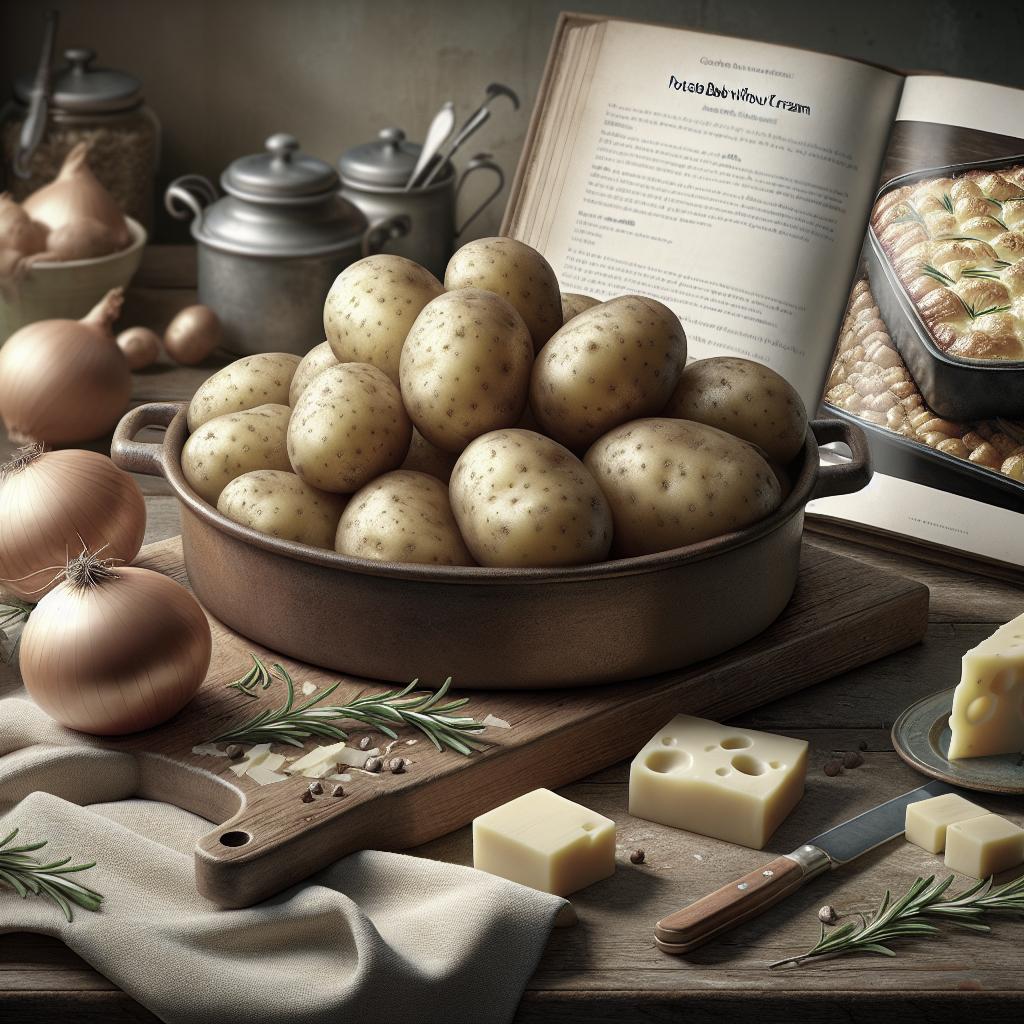
The list is simple and accessible, ensuring that the focus remains on quality. Potatoes, broth (vegetable or chicken), garlic, herbs such as thyme or rosemary, and high-quality cheese like Gruyère or Emmental, are central to this recipe’s authenticity and depth of flavor.
Instructions
Begin by preheating your oven to 375°F. Slice your potatoes thinly and layer them meticulously in a butter-greased dish. Pour over your chosen broth, season with minced garlic and scatter herbs between layers. Top with cheese, ensuring coverage for optimal browning.
Cover the dish with aluminum foil and bake for around 30 minutes. Remove the foil, increase the temperature slightly, and continue baking until the top is golden and bubbling, signalling the pinnacle of gratin perfection. Allow to rest before serving.
Notes
When preparing Potato Gratin Savoyard, patience is key. Give the dish time to rest after baking to allow flavors to settle and meld together. Consider experimenting with different herb combinations, or including caramelized onions for added depth.
Final Thoughts
| Aspect | Details |
|---|---|
| Traditional Origin | Savoy region, France |
| Key Difference | No cream, uses broth |
| Recommended Potatoes | Yukon Gold or mix of waxy and starchy |
| Best Cheese | Gruyère, Emmental, or Comté |
| Serving Suggestions | With meats, grilled vegetables or standalone |