Exploring the Delicious World of Rice Bowls: A Culinary Delight
Rice bowls have become a staple in many cuisines around the world. They offer a versatile and customizable meal option that is both satisfying and nourishing. This blog post will take you on a culinary journey through five distinct themes – exploring the philosophy behind rice bowls, the harmony of savory and sweet profiles, iconic bowls that are revered for their namesake, the unique offerings beyond just coffee shops, and the authentic flavors of classic Japanese rice bowls. Whether you’re a seasoned rice bowl enthusiast or new to this delightful dish, our exploration will ignite your curiosity and tickle your taste buds. So, grab your chopsticks and join us in uncovering the secrets and joys of yummy rice bowls!
The Big Bowl Theory
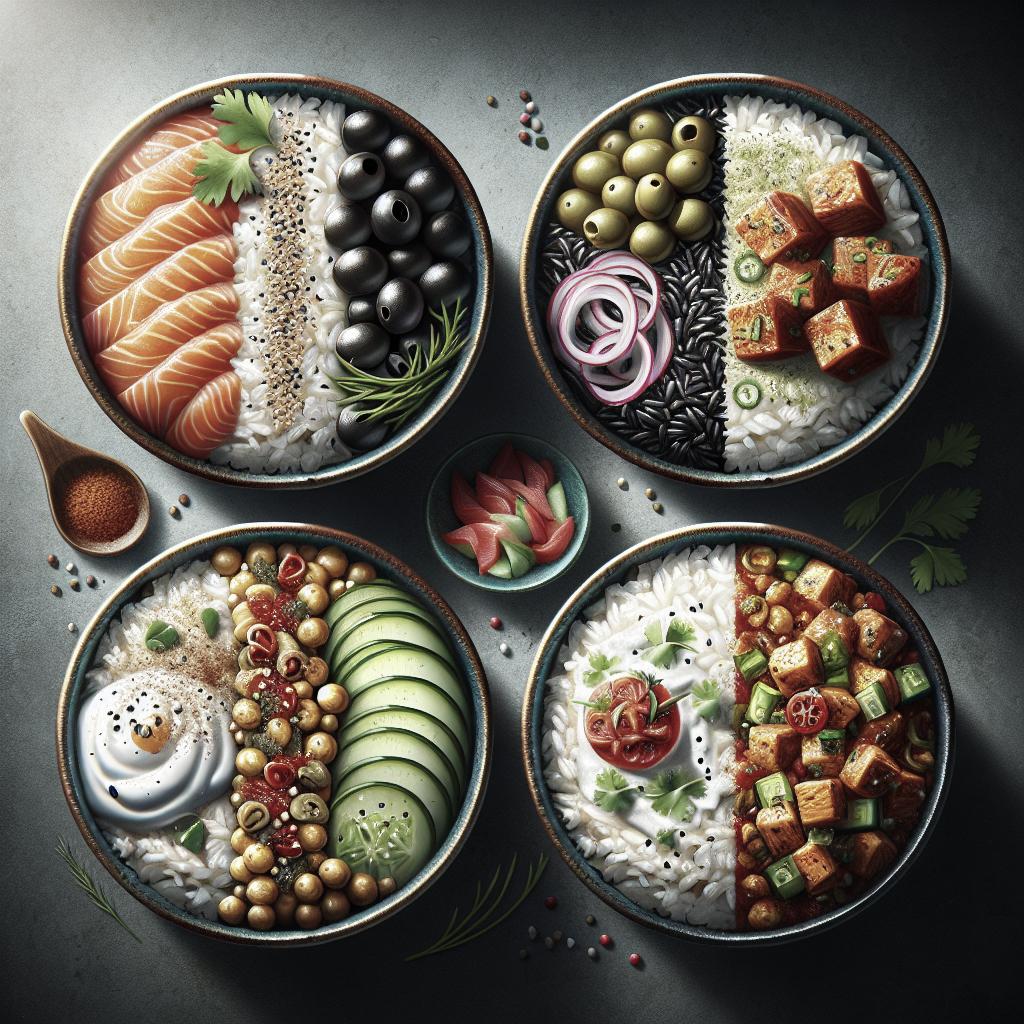
Rice bowls are more than just a culinary trend; they represent a philosophy of balance and simplicity. The Big Bowl Theory emphasizes the harmony between different ingredients that come together in a single, well-rounded dish. From grains to proteins and fresh vegetables, each element plays a pivotal role within the confines of the bowl, creating a perfect harmony of flavors and textures. This approach is rooted in the concept that every ingredient matters, and when combined thoughtfully, they elevate the dining experience.
Embracing the idea of abundance and nourishment, the Big Bowl Theory suggests that a rice bowl is not just about quantity but quality. The concept extends beyond just filling the bowl, to include providing nourishment for both body and soul. Whether it’s a hearty breakfast bowl or a comforting dinner dish, the purpose is to provide a meal that fulfills cravings and leaves one feeling satisfied. The layering of ingredients creates an eating adventure in every bite, reinforcing the idea that variety is the spice of life.
Savory and Sweet
Rice bowls are celebrated for their ability to adapt to both savory and sweet flavors, making them a universal favorite. A savory rice bowl might include ingredients like soy-marinated chicken, a choice of seasonal vegetables, and a drizzle of spicy sriracha mayo, all on a bed of steamed jasmine rice. The result is a dish that is both comforting and enlivening with an exciting blend of flavors that tease every taste bud.
On the sweeter side, rice bowls can transition into a delightful dessert or breakfast favorite. Sweet versions often involve a base of coconut milk-soaked sticky rice, topped with fresh fruits such as mango or berries, and garnished with a sprinkle of toasted sesame seeds or coconut flakes. Such creations not only provide a sweet respite but also showcase the versatility of rice as a canvas for creativity, making it a go-to bowl for those who love a touch of sweet in their meals.
Worthy of its Name
Some rice bowls have gained legendary status, becoming synonymous with their ingredients or preparation method. These iconic bowls are celebrated not merely for their taste but for the cultural and historical significance they hold. The bibimbap, a notable example, is a beloved Korean rice bowl renowned for its meticulously arranged components that offer a symphony of flavors and colors. The name itself translates to “mixed rice,” a true reflection of the meal’s intent and experience.
Another worthy contender is the Poke Bowl from Hawaii, which combines marinated raw fish such as tuna or salmon with a delightful array of vegetables and seaweed salad on top of rice. Known for its fresh and vibrant ingredients, the Poke Bowl epitomizes the fusion of traditional Hawaiian cuisine with modern culinary trends. These bowls not only satisfy hunger but evoke the stories and heritage of their cultures, providing diners with a rich gustatory history.
More than Coffee
Rice bowls have found their place in cafes and eateries that extend beyond coffee and pastries. Often nestled within the menu offerings of hip coffee shops, these bowls bring an innovative twist to the expected fare. Here, you will frequently find quirky interpretations like breakfast rice bowls featuring scrambled eggs, avocado slices, and sautéed mushrooms, all beautifully composed above a fluffy layer of sushi rice.
The inclusion of rice bowls in such establishments has been embraced warmly due to their adaptability to various dietary preferences, including vegan, vegetarian, or gluten-free demands. It highlights the trend of wellness and wholesomeness that diners seek, allowing them to enjoy a balanced and fulfilling meal option amidst the hustle and bustle of modern lifestyle conveniences typically associated with coffee shop visits.
Classic Japanese
No discussion about rice bowls is complete without delving into the classic Japanese offerings that have captivated food lovers worldwide. The Donburi, a quintessential Japanese rice bowl, showcases a myriad of ingredients centered over perfectly cooked rice. A Gyudon, or beef bowl, is a popular donburi featuring thin slices of beef simmered with onions in a mildly sweet soy sauce-based broth, epitomizing the simple yet profound nature of Japanese cuisine.
Unadon, another distinguished bowl, spotlights grilled eel brushed with a tantalizing sweet soy sauce glaze. Such bowls highlight the emphasis on quality and the traditional approach to Japanese cooking, ensuring that each ingredient’s character and flavor shine through. Classic Japanese rice bowls not only satisfy one’s hunger but also transport diners to the bustling streets of Tokyo or the tranquil countryside of Japan with each sumptuous bite.
Lessons Learned
| Theme | Main Concepts |
|---|---|
| The Big Bowl Theory | Balance, simplicity, quality, abundance, and nourishment. |
| Savory and Sweet | Versatility, adaptation to flavors, culinary creativity. |
| Worthy of its Name | Cultural significance, iconic dishes, fusion of tradition and modernity. |
| More than Coffee | Innovative meals in cafes, adaptability to dietary preferences. |
| Classic Japanese | Traditional approach, quality ingredients, cultural immersion. |