Polish Poppy Seed Cake: A Culinary Tradition Across Generations
Discover the rich flavors of a timeless classic—Polish Poppy Seed Cake, also known as Makowiec. This cherished dessert is a staple in Polish culture, embodying a perfect blend of history and tradition. From understanding the nuances of cooking poppy seeds to creating a delectable filling, this comprehensive guide will walk you through every step of making this delightful cake. With detailed insights into necessary equipment, ingredients, and storage tips, you’ll quickly become confident in crafting this beloved bake. Whether you’re a seasoned baker or a novice looking for an authentic Polish recipe, this guide is designed to captivate and inform. Join us on a flavorful journey into the heart of Poland’s rich culinary heritage.
Recipe
The allure of baking is often in the journey as much as the destination, and with Polish Poppy Seed Cake, or Makowiec, the journey is as rewarding as the cake itself. This classic Polish pastry combines rich poppy seed filling with a tender yeast dough, crafting a harmonious blend of textures. The recipe requires a bit of patience and practice, but the result is a delectable, fragrant cake destined to become a family favorite.
The preparation of Makowiec involves several steps, including cooking the poppy seeds, preparing the filling, and crafting the dough. Each stage contributes to the cake’s distinctive character, with its slightly sweet, nutty flavor making it a hit at family gatherings and celebrations. From seasoned bakers to newcomers curious to explore European desserts, Makowiec offers a satisfying challenge with a rewarding outcome.
Polish Poppy Seed Cake (Makowiec)
Makowiec is more than just a cake in Polish culture; it is a symbol of celebrations, traditionally enjoyed during holidays like Christmas and Easter. The poppy seed is an ingredient deeply rooted in European cuisine, and its usage in this cake highlights the cultural significance it holds. The poppy seeds are the star of the dish, lending the cake its signature earthy taste and delicate crunch.
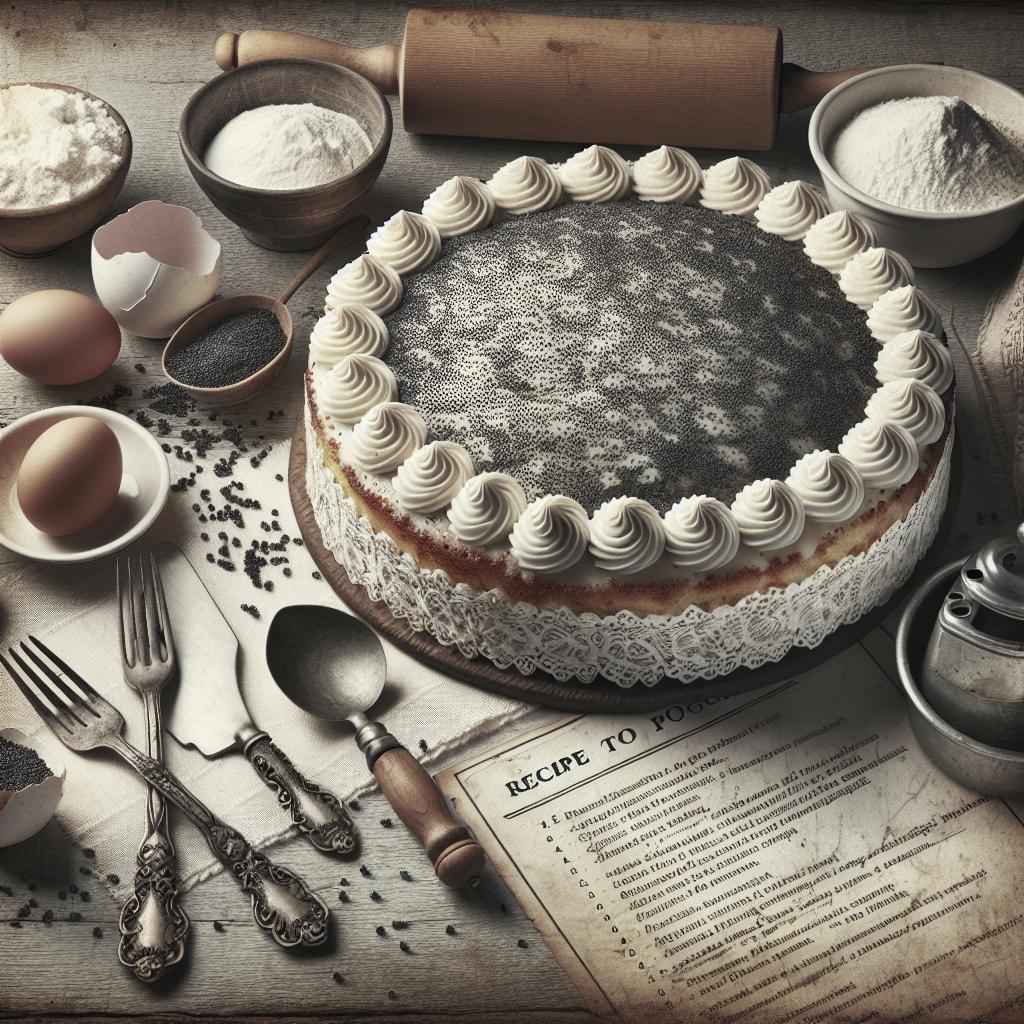
The cake’s unique appeal lies not only in its taste but also in its aesthetic presentation. Often rolled and elegantly swirled, Makowiec is decorated with a light glaze or a dusting of powdered sugar. This delightful pastry combines culinary elegance with rustic charm, making it a standout dessert that celebrates Poland’s rich culinary heritage.
Equipment
Before embarking on the Makowiec-making journey, gathering all the necessary equipment is crucial for a smooth baking experience. You’ll need a large mixing bowl and a medium saucepan to prepare the dough and filling, respectively. A rolling pin is essential for flattening the dough evenly to ensure the filling is uniformly distributed.
For baking, a baking sheet or a loaf tin lined with parchment paper will come in handy. A pastry brush is valuable for glazing and decorating the cake with a beautiful finish. As with any baking endeavor, having a reliable oven with an accurate temperature control ensures the perfect bake, creating a luscious and tender cake.
Ingredients
The success of a Polish Poppy Seed Cake depends heavily on the quality and balance of its ingredients. Flour, sugar, eggs, and butter form the foundation of the dough, providing structure and richness. The yeast is an essential ingredient, infusing the dough with the coveted lightness and airiness.
The poppy seed filling is a vital component, comprising poppy seeds, sugar, and milk, which unite to create the flavorful core of the cake. Additional ingredients like vanilla extract, lemon zest, or dried fruits enhance the filling’s complexity, offering variations that cater to different palates while preserving authenticity.
Instructions
To begin the Makowiec experience, start by preparing the poppy seed filling. Cook the poppy seeds with milk and sugar on low heat until the mixture achieves the desired consistency. Once ready, allow it to cool and set aside for later use.
Next, it’s time to bring the dough to life. Combine flour, yeast, sugar, eggs, and butter, kneading until a smooth dough forms. Allow it to rise in a warm place, giving it the time it needs to double in size. Roll the dough out into a rectangle, spread the poppy seed filling evenly, and gently roll it into a log shape. Bake until golden brown, and enjoy the aromatic lure filling the kitchen.
Notes
Baking the perfect Makowiec requires attention to detail. One important note is to ensure the yeast is fresh and active; this is critical for achieving a nice rise in the dough. Prove the dough in a warm environment, as this expedites the yeast activity, leading to a fluffy and airy dough.
It’s best to tailor the poppy seed filling to your taste. Adjust the sweetness to your preference, and feel free to incorporate your favorite spices or zest to enhance the flavor. Remember, practice makes perfect, and experimenting with proportions will help you achieve a cake that suits your taste and texture preferences.
Nutrition
While Makowiec is undeniably delicious, it’s important to enjoy this rich dessert in moderation. The pastry is generally high in calories, primarily due to the sugar and butter content. However, poppy seeds are a good source of fiber, calcium, and essential fatty acids, offering some nutritional value.
For those monitoring dietary intake, consider making smaller slices to enjoy the cake without overindulging. Feel free to experiment with healthier substitutions, such as reducing sugar or using whole wheat flour, to create a more balanced dessert while retaining its delightful essence.
Polish poppy seed cake ingredients and substitutions
The integrity of a traditional Makowiec lies in its authentic ingredients, yet flexibility in recipes can lead to delightful discoveries. While poppy seeds are essential, consider almond meal or finely chopped nuts as alternative ingredients to experiment with the texture.
For health-conscious bakers, several substitutions can create a lighter version of the cake without sacrificing flavor. Replace all-purpose flour with whole wheat or gluten-free flour. Honey can substitute for sugar, adding natural sweetness and depth. Such adaptations ensure that the cake remains accessible to a variety of dietary preferences.
Why do we need to cook poppy seeds before baking?
Cooking poppy seeds is a crucial step in crafting the perfect Polish Poppy Seed Cake. This process releases the seeds’ oils, which enhances the flavor and creates a smoother texture. Cooking also helps to soften the seeds, making them easier to incorporate into the filling.
This step ensures the filling achieves the right consistency, preventing the seeds from being too gritty or overwhelming. With adequately cooked poppy seeds, the resulting cake boasts a delightful and intricate flavor profile, perfecting its unique taste and making it a must-have dessert at traditional Polish gatherings.
Step-by-step recipe instructions
Make the dough
Begin by activating the yeast in warm milk with a pinch of sugar. This step is vital to ensure the dough rises beautifully. In a large bowl, combine flour, sugar, and salt, then mix in the yeast mixture, eggs, and melted butter. Knead the dough until smooth and elastic.
Leave the dough to rise in a warm, draft-free area. This may take about 1 to 2 hours depending on the ambient temperature. Once doubled in size, punch down the dough and prepare to roll it out for the poppy seed filling.
Make the poppy seed filling
While the dough rises, prepare the poppy seed filling. Simmer poppy seeds with milk and sugar in a saucepan until tender. Allow the mixture to cool, then blend to achieve a smoother consistency. Mix in other flavorings, such as vanilla extract, lemon zest, or dried fruits, to elevate the taste.
This filling can be adjusted according to personal preference, offering an opportunity to personalize the flavor while maintaining the authentic essence of a traditional Makowiec. Once ready, store the filling in a container, keeping it cool but not refrigerated.
Assemble Polish poppy seed cake recipe
Lay the risen dough flat on a floured surface and roll it into a rectangle. Spread the cooled poppy seed mixture evenly across the dough, ensuring it reaches the edges for consistent flavor in each slice. Carefully roll the dough from one edge to form a log.
Transfer the roll to a prepared baking sheet and let it rest for another 30 minutes to rise again. Bake in a preheated oven until the cake achieves a golden brown hue. Allow it to cool slightly before gliding a simple sugar glaze over the top for that classic shine.
How to store poppy seed roll
Proper storage is key to preserving the freshness of Polish Poppy Seed Cake. Once baked, allow the cake to cool completely. To store, wrap it in aluminum foil or place it in an airtight container to prevent it from drying out.
For extended freshness, store the cake at room temperature for up to 3 days. If you’d like to extend its shelf life, place it in the refrigerator, where it can stay fresh for up to a week. Ensure the roll is tightly wrapped to maintain its moisture.
Top tips
The journey to a perfect Makowiec involves a few tricks to enhance the baking experience. Remember to activate the yeast in slightly warm—not hot—milk to ensure proper fermentation. Dough consistency is crucial; it should be smooth and elastic but not sticky.
During the assembly phase, be gentle while rolling the dough with the filling. This prevents the filling from spilling, ensuring a neat and attractive dessert. Baking requires a keen eye on timing, so check the cake towards the end of its bake time to avoid overbaking.
Related recipes
If you enjoy the comforting flavors of Polish Poppy Seed Cake, you may want to explore other classic related recipes. “Babkas” and “Kolaczki” share the same roots and offer a delightful range of flavors from fruity to nutty, offering an alternative to traditional poppy seed desserts.
For an interesting variation, consider trying “Poppy Seed Cheesecake,” blending the creamy richness of cheese with the earthy poppy seeds. These alternatives bring variety to your baking adventures, with each carrying an ounce of tradition and a dash of personal flair.
More Polish Recipes
Embark on a culinary exploration of Polish cuisine and discover an array of delightful recipes beyond desserts. Polish cuisine is rich in comfort food, with iconic dishes like Pierogi, a versatile dumpling filled with savory or sweet fillings, and Bigos, a hearty hunter’s stew.
Sweet-toothed enthusiasts might enjoy “Sernik,” a light Polish cheesecake, or “Faworki,” crispy rose-shaped cookies perfect for festive occasions. Each recipe showcases the comforting, warm essence of Polish culinary tradition, promising an adventure in flavorful and heartwarming dishes.
Keep in touch!
We hope you enjoyed the journey of baking and savoring a classic Polish Poppy Seed Cake. We’d love to see your creations and hear your feedback on this beloved recipe. Don’t hesitate to reach out to us with your baking experiences.
To stay updated on new recipes and baking tips, follow us on our social media platforms. Share your own twists to traditional recipes and join our vibrant community of baking enthusiasts. Together, let’s keep the delicious traditions alive and savor every bite!
| Section | Content Summary |
|---|---|
| Recipe | Introduction to the Polish Poppy Seed Cake recipe and its components. |
| Polish Poppy Seed Cake (Makowiec) | History and cultural significance of Makowiec. |
| Equipment | Necessary tools and equipment for making the cake. |
| Ingredients | Basic ingredients and their importance to the cake. |
| Instructions | Step-by-step guide on making the cake, including dough and filling preparation. |
| Notes | Additional tips for achieving the perfect bake and personalizing the recipe. |
| Nutrition | Nutritional information and tips for a balanced intake. |
| Polish Poppy Seed Cake Ingredients and Substitutions | Possible ingredient substitutions and personalization for dietary needs. |
| Why Cook Poppy Seeds | Explanation of the importance of cooking poppy seeds for texture and taste. |
| Step-by-Step Recipe Instructions | Detailed processes of making the dough, filling, and assembling the cake. |
| Storage | Guidelines on how to properly store the cake. |
| Top Tips | Expert advice to enhance the baking experience. |
| Related Recipes | Suggestions for other traditional or related recipe explorations. |
| More Polish Recipes | Invitation to explore additional Polish recipes and dishes. |
| Keep in Touch! | Encouragement to connect and engage with the community for more culinary adventures. |