Can You Freeze Moussaka?
Moussaka, the beloved classic Greek dish, often leaves everyone wanting a little extra to savor later. This blog post delves into not only the culinary creation of moussaka but also the best practices for preserving it through freezing. Starting with an overview of its rich, layered composition, we’ll explore individual components like the perfectly cooked eggplant, savory meat sauce, and creamy béchamel topping. Our step-by-step guide ensures you’re equipped to replicate this dish flawlessly. Finally, we’ll cover how to freeze it effectively to enjoy this Mediterranean delight whenever you crave its flavors. Embark on this culinary journey with us, and keep your freezer stocked with tantalizing moussaka.
Classic Greek Moussaka
Moussaka is a dish that beautifully encapsulates the essence of Greek cuisine. It is known for its hearty layers and rich flavors, combining eggplant, potatoes, spiced meat sauce, and a generous topping of béchamel sauce. Each layer plays a crucial role in the dish’s composition, creating a delicious blend that is comforting and satisfying.
While it’s traditionally enjoyed fresh from the oven, moussaka also lends itself well to freezing. This opens a door to both culinary convenience and prolonged enjoyment, allowing you to make larger quantities without the pressure to consume it all at once. Understanding these processes can empower you to not only enjoy moussaka but to share its joys with friends and family through thoughtful preparation and preservation.
Ingredients
The success of a moussaka dish is heavily dependent on the quality and harmony of its ingredients. You will need eggplants, potatoes, ground meat (typically lamb or beef), onion, garlic, tomatoes or tomato paste, red wine, and a selection of spices like cinnamon, thyme, and oregano. For the béchamel sauce, gather milk, butter, flour, egg yolks, and nutmeg.
Each ingredient contributes a unique component to the dish, from the earthy depth of the eggplants to the richness of the meat sauce and the creamy finish of the béchamel. Selecting fresh, high-quality ingredients will ensure that each layer of your moussaka is perfectly balanced and flavorsome.
Instructions
To prepare a traditional Greek moussaka, begin by sautéing thinly sliced eggplant and potatoes until tender. In parallel, prepare the meat sauce by sautéing onions and garlic, adding the ground meat, and stirring in tomatoes, wine, and spices. Allow the mixture to simmer until reduced and flavorful.
Next, construct your béchamel sauce by melting butter in a saucepan, whisking in flour, and gradually adding milk to form a thick, creamy consistency. Season with salt and nutmeg, then incorporate beaten egg yolks for a luxurious finish. Layer the ingredients in a baking dish, starting with potatoes and eggplant, followed by meat sauce, and topped with a generous layer of béchamel sauce. Bake until golden and bubbling.
Recommended Products
Superior culinary results often come from investing in quality tools and ingredients. For slicing, a sharp mandoline slicer or chef’s knife will yield thin, even eggplant and potato slices. A quality baking dish with ample depth can accommodate the substantial layers of a true moussaka, ensuring a tidy bake.
Additionally, use a reliable non-stick saucepan for your béchamel sauce to prevent sticking and burning, allowing for a smooth, velvety sauce. These tools will not only facilitate the preparation of moussaka but also streamline the process for other culinary endeavors.
Watch the Video
For visual learners and cooking enthusiasts alike, watching a cooking tutorial can transform a recipe from abstract to actionable. Witnessing the process can instill confidence and provide nuanced tips that written instructions alone may not convey.
Videos can demonstrate the desired consistency of a béchamel sauce or the right amount of browning on an eggplant slice. As part of your preparation, complement these instructions by seeking out video resources that mirror these steps to refine your technique.
What is Greek moussaka?
Greek moussaka is a luxurious, layered casserole known for its comfort-food appeal and rich, flavor profile. Originating from Greece, it is a dish that brings together warmth and hearty ingredients to create a meal that is both filling and indulgent.
Its richness comes from its thoughtful combination of seasoned meat sauce, often elevated with spices like cinnamon for warmth, layered with tender eggplant and potatoes, and crowned with a creamy béchamel sauce. It’s a dish that heralds special occasions and ordinary spaces alike with equal grace.
The Eggplant
The eggplant serves as a foundational element in moussaka, offering a slightly smoky flavor and a firm texture once cooked. Preparing the eggplant requires delicate care; slices should be sprinkled with salt and allowed to sit, drawing out bitterness and excess moisture.
After this preparation, each slice should be lightly sautéed or grilled until tender. The aim is to infuse the eggplant with a depth of flavor without allowing it to become too oily or soft, preserving its structural integrity in the layered dish.
The Potatoes
Potatoes add a layer of heartiness to moussaka, offering a neutral base that complements the stronger flavors of meat and eggplant. Sliced thin, they are often pre-cooked by boiling or sautéing until just tender.
Their inclusion in a moussaka not only contributes to the dish’s overall texture but also ensures it is substantial enough to satisfy on its own as a staple meal. The potato layer is often situated at the bottom, providing structural support to the layers above.
The Meat Sauce
The meat sauce is where much of moussaka’s rich flavor originates. Typically composed of ground lamb or beef, this sauce is infused with tomatoes, red wine, and a bouquet of Mediterranean spices that harmonize together during the simmer.
Allow the sauce ample time to reduce, marrying the flavors and achieving a rich, concentrated consistency. Its aromatic, spiced profile is further enriched with hints of cinnamon or allspice, creating a comforting taste that resonates through the dish.
Back to the Eggplant
Once prepared and sautéed, eggplant takes its place in the moussaka composition, acting as both a flavor contributor and a moisture mediator between the layers. Its absorbent nature allows it to capture the savory essence of the meat sauce while maintaining its unique taste.
Care must be taken in layering the eggplant; ensure that slices overlap slightly for even coverage, and choose slices of similar thickness to promote uniform cooking. This step guarantees that each serving of moussaka is consistently delicious and balanced in taste and texture.
The Béchamel Sauce
The béchamel sauce is the crowning glory of moussaka, providing a rich, creamy top layer that bakes to golden perfection. Its preparation involves creating a roux with butter and flour, gradually incorporating milk, and enhancing it with spices such as nutmeg.
The resultant sauce should be thick yet pourable, enveloping the ingredients below when baked. Incorporating the egg yolks enriches its texture, offering a glossy, sumptuous finish that appeals to both the eyes and the palate, setting the stage for the meal.
Pulling your Greek moussaka together
Assembling moussaka is a task of patience and precision, rewarding dedication with a masterpiece of taste and texture. Begin with a layer of potatoes, follow with eggplant, add the meat sauce, and finally pour over the béchamel. Each step should be done with care, ensuring even layering and coverage.
This methodical assembly results in the iconic stratified appearance that characterizes moussaka, securing each component’s proper place and interaction. Once baked, slice and serve it in generous pieces, showcasing the intricate layers that define this delicious culinary creation.
Freezing your Greek moussaka
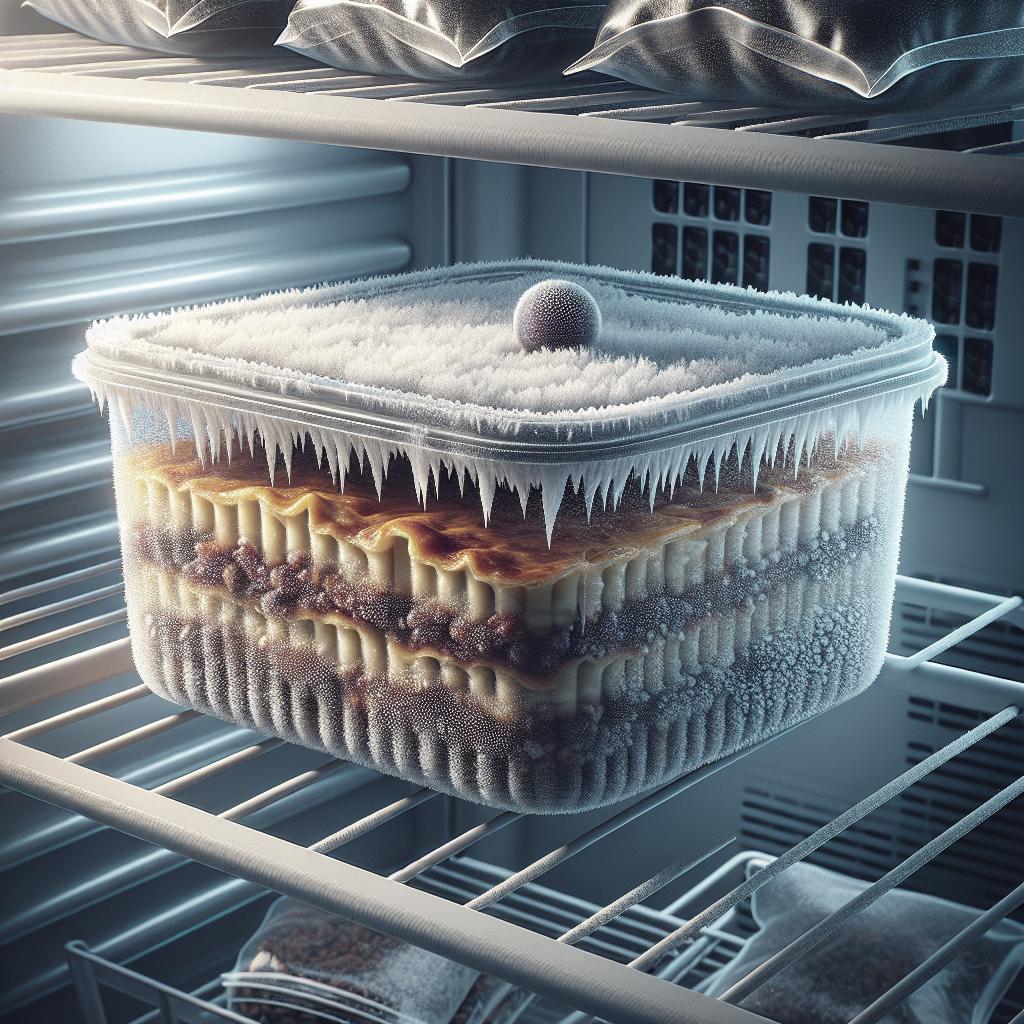
Freezing moussaka is a practice that allows for prolonged enjoyment without sacrificing quality. To freeze, prepare the moussaka as instructed but allow it to cool completely before covering tightly with plastic wrap or aluminum foil, then placing it in a freezer-friendly container or bag.
When you’re ready to indulge, move it from freezer to fridge to defrost overnight, then reheat in the oven until warmed through and the top is bubbling, typically around 350°F (175°C). This preserves much of the freshness and texture, making it as delightful as when first made.
Serving
When ready to serve moussaka, ensure that it is piping hot throughout, accentuated with a side salad or Greek-tied accompaniments such as tzatziki or fresh bread. These sides uplift the robust flavors of the dish, offering a balance of tastes.
Moussaka is versatile, fitting into various mealtime framings—be it a sophisticated dinner party centerpiece or an inviting family meal. Its serving style is graciously flexible, accommodating both casual and formal dining perfectly, always leaving guests satisfied.
Why will this become a favorite in your house?
Moussaka may quickly become a household favorite not only because of its striking layers and aromatic spices but also due to its hearty nature. With every bite, it brings warmth and celebration of flavors that can unite a table of diners.
Additionally, the ability to prepare and freeze moussaka extends its utility and charm, ensuring that you’re only a reheat away from enjoying this delightful dish. Effortlessly blend convenience and tradition with this crowd-pleaser, destined to become a staple.
Next Steps
| Step | Details |
|---|---|
| Classic Greek Moussaka | Moussaka combines eggplant, potatoes, meat sauce, and béchamel. |
| Ingredients | Include eggplant, potatoes, ground meat, spices, and for béchamel, milk, butter, flour, and egg yolks. |
| Instructions | Layer ingredients and bake until golden and bubbly. |
| Freezing | Allow to cool, cover tightly, freeze, and reheat adequately. |
| Serving | Serve hot with sides like salad or bread for balance. |